Anti-Inflammatory Superfoods: Your Ultimate Natural Shield
In the modern world, we are constantly surrounded by stressors that take a toll on our internal health. Our bodies are designed to handle short-term threats, but the constant barrage of processed foods, environmental toxins, and high-pressure lifestyles has led to a state of chronic “silent” inflammation. This internal fire is not like the swelling you see after stubbing your toe; it is a persistent, low-grade irritation that damages your cells over time.
Many people walk around feeling perpetually exhausted, dealing with brain fog or joint pain without realizing the cause is deep-seated inflammation. However, nature has provided us with a powerful arsenal of ingredients designed to cool this fire and protect our vitality. By choosing the right “superfoods,” you can build a biological shield that strengthens your immune system and enhances your longevity. Shifting your diet toward anti-inflammatory choices isn’t just about avoiding illness; it is about reclaiming your energy and feeling your best every single day.

This article will guide you through the science of inflammation and the specific foods that act as your body’s natural defense mechanism. Understanding how these nutrients work will empower you to make choices that transform your health from the inside out.
The Invisible War Within
Inflammation is essentially your body’s defense system trying to protect you. When you get a cut, your immune system sends white blood cells to the area, causing redness and heat.
This is acute inflammation, and it is a good thing because it helps you heal. The problem arises when this process never turns off, leading to chronic inflammation.
A. Chronic inflammation can damage healthy tissues, organs, and even your DNA over long periods.
B. High levels of stress hormones like cortisol can trigger inflammatory pathways in the brain and gut.
C. Diets high in refined sugars and artificial trans fats act as fuel for this internal fire.
D. Environmental factors such as pollution and smoking contribute significantly to systemic irritation.
E. Lack of restorative sleep prevents the body from “cleaning up” metabolic waste, leading to further inflammation.
The Power of Berries
Berries are more than just a sweet treat; they are tiny powerhouses of nutrition. These fruits are packed with fiber, vitamins, and minerals that support a healthy heart.
The most important compounds in berries are antioxidants called anthocyanins. These compounds give berries their vibrant colors and provide potent anti-inflammatory effects.
A. Blueberries contain high levels of flavonoids that protect brain cells from oxidative stress.
B. Strawberries are rich in Vitamin C, which helps lower C-reactive protein (CRP), a marker of inflammation.
C. Raspberries provide a unique type of fiber that supports gut health and reduces gut-related irritation.
D. Blackberries have been shown to improve insulin sensitivity, which helps manage overall inflammation levels.
E. Cranberries contain proanthocyanidins that prevent bacteria from sticking to the walls of the urinary tract.
Fatty Fish and Omega-3s
Fatty fish are perhaps the most well-known anti-inflammatory foods on the planet. They are rich in long-chain omega-3 fatty acids, specifically EPA and DHA.
Your body cannot produce these essential fats on its own, so you must get them from your diet. They work by reducing the production of substances that cause inflammation in the joints and arteries.
A. Salmon is a premier source of high-quality protein and potent omega-3 fatty acids for heart health.
B. Sardines are not only sustainable but also packed with Vitamin D, which regulates immune function.
C. Mackerel offers a high concentration of selenium, an antioxidant that protects the thyroid gland.
D. Anchovies are small but mighty, providing a clean source of fats with very low mercury levels.
E. Trout is an excellent alternative for those who prefer a milder flavor while still reaping the benefits of healthy fats.
Cruciferous Vegetables: The Sulforaphane Secret
Vegetables like broccoli, cauliflower, and kale are part of the cruciferous family. These veggies are famous for their ability to reduce the risk of chronic disease.
The secret lies in a compound called sulforaphane. This molecule helps block the enzymes that cause joint destruction and inflammation.
A. Broccoli is the most concentrated source of sulforaphane, especially when eaten raw or lightly steamed.
B. Brussels sprouts provide a high dose of Vitamin K, which is essential for bone health and blood clotting.
C. Cauliflower is incredibly versatile and can be used to replace inflammatory refined grains in many recipes.
D. Kale contains more Vitamin C than an orange, making it a king among leafy greens.
E. Cabbage is a great source of glutamine, an amino acid that helps heal the lining of the digestive tract.
The Creamy Goodness of Avocados
Avocados are often called a “superfood” for a very good reason. They are packed with monounsaturated fats, which are excellent for heart health.
They also contain potassium, magnesium, and fiber, which most people are deficient in. These nutrients work together to calm the nervous system and reduce arterial inflammation.
A. Avocados contain carotenoids and tocopherols, which are linked to a reduced risk of various cancers.
B. The healthy fats in avocados help your body absorb other fat-soluble vitamins from your salad.
C. They are rich in oleic acid, the same heart-healthy fat found in premium olive oil.
D. Avocados help maintain healthy blood sugar levels, preventing the spikes that lead to internal irritation.
E. They provide a significant amount of Vitamin E, which protects the skin from UV-induced inflammation.
Green Tea: The EGCG Powerhouse

Green tea has been consumed for thousands of years for its medicinal properties. It is one of the healthiest beverages you can choose to stay hydrated.
The magic ingredient in green tea is EGCG (epigallocatechin-3-gallate). This is a polyphenol that inhibits the production of pro-inflammatory cytokines in the body.
A. EGCG protects the brain from neurodegenerative conditions by reducing inflammation in the central nervous system.
B. Drinking green tea regularly has been linked to a reduced risk of heart disease and stroke.
C. It helps boost the metabolism and aids in fat loss, which naturally lowers systemic inflammation.
D. Matcha, a powdered form of green tea, contains even higher concentrations of antioxidants than traditional tea.
E. Green tea also contains L-theanine, an amino acid that promotes relaxation and lowers stress-induced inflammation.
Peppers: Spicing Up Your Defense
Whether you like them sweet or spicy, peppers are incredible for your health. Bell peppers are loaded with Vitamin C and various antioxidants.
Chili peppers contain capsaicin, which is used in topical creams to reduce pain. When eaten, capsaicin can help reduce systemic inflammation and boost your metabolism.
A. Bell peppers contain quercetin, sinapic acid, and ferulic acid, all of which have strong anti-inflammatory properties.
B. Chili peppers help improve circulation, which allows the body to transport nutrients and remove waste more efficiently.
C. Red peppers contain the highest amount of Vitamin C, surpassing even citrus fruits.
D. The heat from peppers can trigger the release of endorphins, which help manage the perception of pain.
E. Peppers are low in calories but high in flavor, making it easier to stick to a healthy diet.
The Resilience of Mushrooms
Mushrooms are often overlooked in the grocery store, but they have a unique chemical profile. They are very low in calories and rich in B vitamins and copper.
Mushrooms contain phenols and other antioxidants that provide significant anti-inflammatory protection. They are particularly good for supporting the immune system and the liver.
A. Shiitake mushrooms contain lentinan, a compound that helps strengthen the immune response.
B. Lions Mane mushrooms are currently being studied for their ability to reduce inflammation in the brain.
C. Portobello mushrooms are a great source of potassium, which helps regulate fluid balance and blood pressure.
D. Button mushrooms are rich in selenium, which helps protect cells from damage caused by free radicals.
E. Reishi mushrooms are known as “adaptogens,” helping the body stay balanced during times of high stress.
Grapes and the Resveratrol Link
Grapes, especially the red and purple varieties, are famous for their heart-health benefits. They contain a specific polyphenol called resveratrol.
This compound is known for its anti-aging and anti-inflammatory effects. It helps protect the lining of your blood vessels and prevents platelets from sticking together.
A. Resveratrol can mimic the effects of calorie restriction, which is known to increase longevity.
B. Grapes contain fiber that helps support a healthy gut microbiome, which is the seat of the immune system.
C. Red grapes have higher concentrations of antioxidants in their skins compared to green grapes.
D. Regular consumption of grapes has been linked to improved eye health and protection against macular degeneration.
E. They are a great source of hydration, as grapes are composed of over 80% water.
Turmeric: The Golden Healer
Turmeric is perhaps the most powerful anti-inflammatory spice in the world. Its active ingredient, curcumin, has been studied in thousands of clinical trials.
Curcumin is so effective that some studies suggest it is as powerful as some anti-inflammatory drugs. However, it is difficult for the body to absorb on its own.
A. Always pair turmeric with black pepper, which contains piperine to increase curcumin absorption by 2,000%.
B. Curcumin helps reduce the pain and swelling associated with arthritis and other joint conditions.
C. It has been shown to improve the function of the endothelium, the lining of your blood vessels.
D. Turmeric can be easily added to smoothies, soups, or even lattes for a daily health boost.
E. It supports liver detoxification, helping the body filter out toxins that cause inflammation.
Extra Virgin Olive Oil (EVOO)
If you have read about the Mediterranean diet, you know how important olive oil is. Extra virgin olive oil is the highest quality oil you can buy.
It is rich in monounsaturated fats and antioxidants like oleocanthal. This specific antioxidant has an effect very similar to ibuprofen in the body.
A. Oleocanthal works by inhibiting inflammatory enzymes, providing natural pain relief over time.
B. High-quality EVOO helps lower the risk of heart disease by protecting LDL cholesterol from oxidation.
C. It supports brain health and may help prevent the buildup of plaques associated with cognitive decline.
D. Using olive oil instead of butter or seed oils is one of the easiest ways to lower your inflammation score.
E. Always look for oil in dark glass bottles to protect the delicate antioxidants from light and heat.
Dark Chocolate and Cocoa
Yes, you read that correctly; dark chocolate can be a health food. The key is to choose chocolate with at least 70% cocoa solids.
Cocoa is packed with flavonoids that reduce inflammation and keep the lining of your arteries healthy. It also provides a good dose of magnesium, which helps muscles relax.
A. Flavanols in cocoa help lower blood pressure by improving the flexibility of your blood vessels.
B. Dark chocolate can boost your mood by increasing the production of feel-good chemicals in the brain.
C. It contains fiber that supports gut health, provided the sugar content is kept low.
D. Eating a small square of dark chocolate can satisfy a sweet craving while providing actual health benefits.
E. Avoid “milk chocolate” or “white chocolate,” as the high sugar content actually promotes inflammation.
The Lycopene Power of Tomatoes
Tomatoes are a nutritional powerhouse, especially when they are cooked. They are an excellent source of Vitamin C, potassium, and lycopene.
Lycopene is an antioxidant with impressive anti-inflammatory properties, particularly for the skin and prostate. Cooking tomatoes actually makes the lycopene more available for your body to use.
A. Sautéing tomatoes in olive oil increases the absorption of lycopene, as it is a fat-soluble nutrient.
B. Tomato juice has been shown to reduce inflammatory markers in overweight women.
C. They are rich in Vitamin K, which is essential for bone strength and cardiovascular health.
D. Tomatoes contain lutein and zeaxanthin, which are vital for maintaining sharp vision as you age.
E. Choosing organic, vine-ripened tomatoes ensures the highest concentration of nutrients.
Foods That Fuel the Fire
While adding superfoods is important, you also need to remove the triggers of inflammation. If you keep pouring gasoline on a fire, no amount of water will put it out.
Modern diets are often high in “ultra-processed” foods that the human body isn’t designed to handle. These foods cause a constant state of alarm in your immune system.
A. Refined sugar and high-fructose corn syrup are the number one triggers for systemic inflammation.
B. Trans fats found in fried fast foods and some margarines are essentially poison for your arteries.
C. Refined carbohydrates like white bread and pasta cause rapid spikes in blood sugar and insulin.
D. Excessive alcohol consumption damages the liver and leads to “leaky gut,” which spills toxins into the blood.
E. Processed meats like hot dogs and deli meats contain nitrites that have been linked to chronic inflammation.
Building Your Anti-Inflammatory Plate
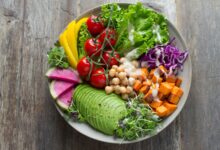
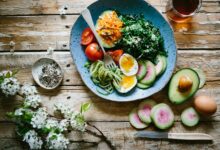
Building a healthy meal doesn’t have to be complicated or boring. The goal is to fill your plate with a variety of colors and textures from whole-food sources.
Think of your plate as a canvas where you are painting your future health. A balanced meal should include a clean protein, a healthy fat, and lots of colorful vegetables.
- Start with a base of leafy greens or cruciferous vegetables to provide bulk and fiber.
- Add a palm-sized portion of fatty fish, beans, or organic poultry for sustained energy.
- Include a source of healthy fats, such as half an avocado or a tablespoon of olive oil.
- Season generously with turmeric, ginger, and fresh herbs to boost the anti-inflammatory power.
- Finish with a handful of berries or a square of dark chocolate for a nutrient-dense dessert.
Lifestyle Factors Beyond the Fork
Eating well is the foundation, but it is not the only piece of the puzzle. Your lifestyle habits can either support or sabotage your anti-inflammatory efforts.
Chronic stress and lack of sleep are major drivers of internal irritation. If your mind is on fire, your body will soon follow, regardless of how much broccoli you eat.
A. Prioritize 7-9 hours of high-quality sleep to allow your body to enter its natural repair mode.
B. Incorporate daily movement, such as walking or yoga, to keep your circulation and lymphatic system moving.
C. Practice mindfulness or meditation to lower your cortisol levels and calm your nervous system.
D. Stay properly hydrated with filtered water and herbal teas to help your kidneys flush out metabolic waste.
E. Cultivate strong social connections, as loneliness has been shown to increase inflammatory markers in the body.
Signs That Your Shield Is Working
How do you know if your dietary changes are actually making a difference? Most people notice a change in their energy levels within the first two weeks.
You might find that you no longer need that afternoon nap or that your joints feel less stiff in the morning. These are the first signs that the “silent fire” is beginning to fade.
A. Improved skin clarity and a reduction in puffiness around the eyes are common external signs.
B. Better digestion and a reduction in bloating indicate that your gut inflammation is subsiding.
C. A clearer mind and better focus suggest that your brain is being protected from oxidative stress.
D. Faster recovery from exercise shows that your body’s repair mechanisms are functioning optimally.
E. A stronger immune system means you will likely get sick less often and recover more quickly when you do.
The Long-Term Vision for Health
Building a natural body shield is a marathon, not a sprint. It is about the small choices you make every single day that add up over months and years.
Consistency is much more powerful than intensity when it comes to nutrition. You don’t have to be perfect; you just have to be better than you were yesterday.
A. Focus on adding good foods rather than just obsessing over what to take away.
B. Keep your kitchen stocked with anti-inflammatory staples so that the healthy choice is the easy choice.
C. Learn a few simple recipes that incorporate turmeric, ginger, and olive oil for a quick health boost.
D. Listen to your body’s feedback and adjust your diet based on how certain foods make you feel.
E. Remember that every meal is an opportunity to turn down the heat and strengthen your natural shield.
Conclusion

Building a natural shield through your diet is a powerful form of self-care.
Chronic inflammation is a silent threat that can be managed with the right choices.
Nature has provided every nutrient we need to keep our internal systems cool and balanced.
By reaching for berries and fatty fish, you are investing in your future health.
The golden power of turmeric and the richness of olive oil are your daily allies.
Every colorful vegetable on your plate is a brick in your biological fortress.
Protecting your body from the inside out is the ultimate way to reclaim your energy.
A healthy life is built on the foundation of consistent and mindful eating habits.
You have the power to influence your biology with every single bite you take.
The journey to a vibrant and pain-free life starts in your kitchen today.
Step into a future of vitality by making superfoods the star of your daily routine.