The Mediterranean Secret: Eat for Infinite Energy
We live in a world that is obsessed with quick fixes and magic pills for vitality. Most people wake up reaching for a double espresso, only to find themselves crashing by two in the afternoon. This constant cycle of energy spikes and slumps is exhausting and detrimental to our long-term health. However, there is a legendary way of eating that has stood the test of time along the sun-drenched coasts of Italy, Greece, and Spain.
Known as the Mediterranean Diet, it is less of a restrictive regime and more of a celebrated lifestyle. Science has consistently proven that those who follow this pattern enjoy lower rates of chronic disease and significantly higher energy levels. This secret doesn’t lie in a single “superfood,” but in the synergy of whole, unprocessed ingredients.
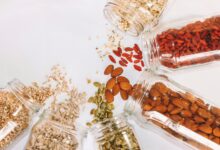

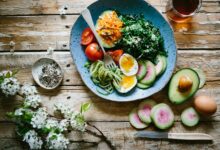
By shifting our focus toward healthy fats, complex carbohydrates, and vibrant plant life, we can unlock a wellspring of natural vigor. In 2026, as we face more digital stress than ever, this ancient wisdom is more relevant than it has ever been. Let’s explore how you can transform your kitchen into a Mediterranean haven for infinite energy.
A. The Foundation of Mediterranean Vitality
The Mediterranean way of eating is built upon a pyramid of nutritional density. At the very base, you won’t find specific foods, but rather a focus on community and physical activity.
Food is meant to be enjoyed slowly and often shared with loved ones. This reduces stress hormones like cortisol, which are notorious for draining your daily energy reserves.
When it comes to the plate, the foundation consists of fruits, vegetables, and whole grains. These are the primary sources of fuel for your brain and muscles.
- Vegetables should take up at least half of your plate at every lunch and dinner.
- Fruits are the “natural candy” of this lifestyle, providing fiber and antioxidants.
- Whole grains like farro, barley, and brown rice provide a slow release of glucose.
- Legumes such as chickpeas and lentils offer a powerhouse of plant-based protein.
- Fresh herbs and spices replace heavy salt, protecting your blood pressure and energy.
B. Liquid Gold: The Magic of Olive Oil
Extra Virgin Olive Oil (EVOO) is the undisputed star of the Mediterranean secret. It is often referred to as “liquid gold” because of its immense biological benefits.
Unlike the saturated fats found in butter or lard, olive oil is rich in monounsaturated fatty acids. These fats are essential for maintaining the health of your cell membranes.
A. Oleic acid is the primary fat in olive oil, known for reducing systemic inflammation.
B. Polyphenols found in high-quality EVOO act as powerful antioxidants that fight cellular aging.
C. Vitamin E and K are also present, supporting skin health and proper blood clotting.
D. Using olive oil as your primary cooking fat helps maintain a healthy cholesterol profile.
E. Drizzling it raw over salads ensures you get the full spectrum of its heat-sensitive nutrients.
Inflammation is one of the biggest “energy thieves” in the human body. When your body is fighting internal inflammation, you feel sluggish and heavy.
Olive oil contains a specific compound called oleocanthal, which works similarly to anti-inflammatory medicine. By consuming it daily, you are essentially cooling the fires of inflammation within your system.
C. Complex Carbohydrates for Sustainable Power
The modern world has developed a fear of carbohydrates, but the Mediterranean secret embraces them. The key difference is the quality of the “carbs” being consumed.
Instead of white bread and sugary cereals, this lifestyle focuses on complex carbohydrates. These are broken down slowly by the digestive system, preventing the dreaded “sugar crash.”
A. Ancient grains like bulgur and quinoa are packed with more fiber than processed wheat.
B. Oats and rye provide a steady stream of energy that lasts throughout the entire morning.
C. Whole-grain pasta, when cooked “al dente,” has a lower glycemic index for better blood sugar control.
D. These grains are often paired with fiber-rich vegetables to further slow down sugar absorption.
E. The result is a consistent level of focus and physical endurance that lasts for hours.
When your blood sugar stays stable, your mood stays stable as well. You avoid the irritability and “brain fog” that come from insulin spikes.
This is the secret to the “infinite energy” promised by this lifestyle. It is about fueling the fire with slow-burning logs rather than fast-burning paper.
D. The Protein Secret: Fish and Legumes

In the Mediterranean, red meat is a rare treat rather than a daily staple. Instead, the focus shifts toward protein sources that are easy on the heart and the digestive system.
Fatty fish, such as sardines, mackerel, and salmon, are consumed at least twice a week. These are the primary sources of Omega-3 fatty acids, which are vital for brain health.
A. Omega-3s improve the communication between your brain cells, making you feel sharper.
B. Fish provides a high-quality protein that doesn’t leave you feeling overly full or sleepy.
C. Plant proteins like beans and peas are incredibly cheap and packed with essential minerals.
D. Legumes are unique because they provide both protein and a massive amount of fiber.
E. This combination keeps you full for longer, preventing the need for unhealthy snacking.
Poultry and eggs are consumed in moderation, usually a few times a week. This variety ensures that you get a wide range of amino acids without the heavy saturated fats of beef.
By reducing the load on your digestive system, your body can spend more energy on recovery. You will notice that you wake up feeling more refreshed and less bloated.
E. The Antioxidant Shield: Fruits and Nuts
Snacking in the Mediterranean doesn’t involve chips or processed crackers. Instead, a handful of raw nuts or a piece of seasonal fruit is the go-to choice.
Nuts like walnuts, almonds, and pistachios are miniature energy bombs. they are packed with healthy fats, protein, and magnesium, which is a mineral essential for energy production.
A. Walnuts are specifically shaped like brains and are excellent for cognitive function.
B. Almonds provide a great source of calcium for bone health and muscle contraction.
C. Pistachios are high in lutein and zeaxanthin, protecting your eyes from digital screen strain.
D. Berries, grapes, and figs provide the polyphenols that protect your heart.
E. These snacks are portable and don’t require any preparation, making them perfect for busy days.
Antioxidants are the body’s primary defense against oxidative stress. Every time you breathe and move, your body produces “free radicals” that can damage cells.
The vibrant colors of Mediterranean fruits are a signal of their antioxidant power. Eating a “rainbow” of produce ensures that your cellular machinery stays in top shape.
F. Dairy in Moderation: Fermentation is Key
Dairy is not avoided in the Mediterranean, but it is used strategically. Most of the dairy consumed is fermented, such as Greek yogurt or traditional cheeses.
Fermentation introduces beneficial bacteria, known as probiotics, into your gut microbiome. A healthy gut is now known to be the “second brain” of the human body.
A. Greek yogurt is high in protein and lower in sugar than traditional commercial yogurts.
B. Feta and Parmesan cheeses are used as flavor enhancers rather than bulk ingredients.
C. Probiotics in yogurt help regulate the immune system, preventing energy-draining illnesses.
D. Fermented dairy is often easier to digest for those with mild lactose sensitivities.
E. The combination of calcium and protein supports bone density as you age.
A healthy gut directly impacts your serotonin levels, which regulates your sleep and mood. By supporting your gut, you are indirectly supporting your energy levels.
The Mediterranean secret is all about balance and quality over quantity. Small amounts of high-quality cheese provide more satisfaction than large amounts of processed dairy.
G. Flavor Without the Fatigue: Herbs and Spices
Most people use excessive salt to flavor their food, which leads to water retention and high blood pressure. Mediterranean cooks rely on the power of fresh herbs and citrus.
Basil, oregano, rosemary, and thyme are not just for flavor; they are medicinal. Many of these herbs have antimicrobial and anti-inflammatory properties.
A. Garlic and onions are staples that support heart health and immune function.
B. Lemon juice provides a burst of Vitamin C and helps the body absorb iron from plants.
C. Cinnamon and cloves can help regulate blood sugar levels after a meal.
D. Turmeric and black pepper are often used to boost the body’s natural detox pathways.
E. Fresh mint can aid digestion and freshen your breath naturally after a meal.
When your food is flavorful and satisfying, you tend to eat smaller portions. This prevents the “food coma” that often follows a bland, heavy, and salty meal.
Using herbs allows the natural taste of the ingredients to shine through. It makes healthy eating an adventure for the palate rather than a chore.
H. Hydration and the “Red Wine” Rule
Water is the primary beverage in the Mediterranean, often infused with slices of lemon or cucumber. Staying hydrated is the simplest way to keep your energy levels high.
Even mild dehydration can lead to fatigue, headaches, and a lack of concentration. The Mediterranean secret involves sipping water throughout the day to stay “at the peak.”
A. Red wine is enjoyed in moderation, usually one glass with a large dinner.
B. Red wine contains resveratrol, a compound that may protect the heart and brain.
C. Alcohol is never consumed on an empty stomach, which mitigates its negative effects.
D. Coffee and tea are enjoyed, but usually without the addition of heavy creams and sugars.
E. Herbal teas like chamomile or mountain tea are common in the evening for relaxation.
The “rule” with red wine is about the ritual of slow consumption and social connection. It is not about the alcohol itself, but the context in which it is shared.
Moderation is the golden thread that runs through every aspect of this lifestyle. Nothing is completely forbidden, but everything has its proper place and time.
I. The “Secret” Ingredient: Social Connection
You can eat all the kale and olive oil in the world, but if you are lonely and stressed, you will be tired. The Mediterranean secret is deeply rooted in the concept of “conviviality.”
Eating is a social act that reinforces bonds with family and friends. This social support system acts as a buffer against the stresses of modern life.
A. Long lunches allow the body to properly enter a “rest and digest” state.
B. Shared meals encourage slower eating, which prevents overconsumption of calories.
C. Positive social interactions release oxytocin, a hormone that promotes feelings of well-being.
D. The sense of belonging found in Mediterranean communities leads to lower rates of depression.
E. Physical movement, like a post-dinner walk (the passeggiata), is often a social event.
In 2026, we are more connected digitally but more isolated physically. Reclaiming the dinner table as a sacred space for connection is a vital part of the energy secret.
When your mind is at peace, your body can function at its maximum potential. Energy is as much a psychological state as it is a physiological one.
J. Implementing the Mediterranean Secret in 2026
You don’t need to live in a coastal village to reap the benefits of this lifestyle. It is entirely possible to adapt these principles to a busy, modern schedule.
Start by making small, incremental changes rather than trying to overhaul your entire kitchen overnight. The goal is to build a sustainable habit that lasts for decades.
A. Swap your morning buttered toast for a bowl of Greek yogurt with walnuts and honey.
B. Replace one meat-based dinner per week with a hearty lentil soup or chickpea salad.
C. Carry a small container of extra virgin olive oil to drizzle over your lunch at work.
D. Choose seasonal fruits for dessert instead of processed sweets or pastries.
E. Make a conscious effort to put away your phone and eat with someone else at least once a day.
Consistency is far more important than perfection in the Mediterranean way. If you have a day where you eat processed food, don’t beat yourself up; just return to the basics the next meal.
Over time, your taste buds will change, and you will find yourself craving fresh, whole foods. This is the sign that your body has finally unlocked its natural energy rhythm.
K. Why Science Backs the Mediterranean Lifestyle
The Mediterranean Diet is perhaps the most studied eating pattern in medical history. Large-scale trials like the PREDIMED study have shown its incredible impact on cardiovascular health.
Researchers have found that it significantly reduces the risk of stroke, type 2 diabetes, and certain cancers. But for the average person, the most immediate benefit is the feeling of lightness and focus.
A. The high fiber content supports a healthy weight without the need for calorie counting.
B. The anti-inflammatory nature of the food protects the joints and the brain from aging.
C. The abundance of vitamins and minerals ensures that every metabolic process runs smoothly.
D. It has been shown to improve the quality of sleep, which is the ultimate energy restorer.
E. It supports the health of the mitochondria, the “power plants” of your individual cells.
When your cells are healthy, your energy is limitless. You are no longer fighting against your biology; you are working in harmony with it.
This is why the Mediterranean secret is not a “fad.” It is a biological blueprint for human thriving that has been validated by thousands of years of human experience.
L. Avoiding Common Pitfalls of Modern Eating
Even when trying to eat healthy, many people fall into the traps of “pseudo-healthy” marketing. Just because a package says “Mediterranean style” doesn’t mean it is good for you.
Processed snacks, even those with olive oil, are often loaded with hidden sugars and preservatives. Stick to the “perimeter” of the grocery store where the fresh, whole ingredients live.
- Avoid “refined” olive oils; always look for the “Extra Virgin” label in a dark glass bottle.
- Watch out for flavored yogurts, which often contain as much sugar as a can of soda.
- Be wary of “whole wheat” breads that are actually made with mostly white flour and caramel coloring.
- Limit your intake of dried fruits, as they are very calorie-dense and can spike blood sugar.
- Don’t overcomplicate the recipes; the best Mediterranean meals are often the simplest ones.
By staying mindful of these pitfalls, you ensure that you are getting the true benefits of the secret. Simplicity is the ultimate sophistication when it comes to healthy eating.
Trust your body’s signals of hunger and fullness. The Mediterranean lifestyle teaches us to listen to our physical needs rather than our emotional cravings.
Conclusion

The Mediterranean way of eating is a timeless gift for your body and soul.
By choosing whole foods, you are fueling your life with the best possible ingredients.
Infinite energy is not a myth; it is the natural result of a clean and balanced diet.
You deserve to feel vibrant and focused from the moment you wake up until you sleep.
Let the “liquid gold” of olive oil be the foundation of your new kitchen habits.
Embrace the power of plants and the steady energy of complex carbohydrates every day.
Remember that health is not just about what you eat, but how you live and connect.
Start with one small change today and watch as your vitality begins to transform.
The Mediterranean secret is now yours to keep and share with those you love.
May your journey toward infinite energy be as delicious and sun-drenched as the Mediterranean coast.
Take the first step toward a healthier version of yourself by choosing real food today.